
Environmental Advisors, Inc.
Detecting Real Estate Issues
Need to detect environmental issues in real estate?
You've come to the right place.
We can help — we know what to do.
We have experience navigating the maze of California water and air environmental regulations.
Perhaps you just received a letter requesting action with lots of unfamiliar, scientific words, or your potential buyer has questions you can't answer. Or, the DTSC, RWQCB, or EPA clearly want some action — but what does their letter mean? What will it cost you? How or What should you do and when?
We have the technical and scientific expertise to navigate and analyze environmental regulations.
How? We can evaluate a wide variety of highly technical environmental problems — from soil, groundwater, health risk issues, mold and fungus, to Superfund allocations, and PRP letters.
Just when it seems like you just hit a brick wall, we can be there to assist you.
Call us at 818-907-6565 or email advisors@environmental-advisors.com.
Services

- Review ASTM Phase 1 Environmental Reports
- Respond to and explain technical questions
- Evaluate regulatory agency concerns
- Forensic Environmental Assessment
- Review Applicable Environmental Regulations
- Health and Safety Issues
- Environmental Real Estate Assessment
- Groundwater Contamination / Remediation Response
- Soil contamination / remediation
- Indoor Air Quality Concerns
- Toxicology — Health Risk Assessment
About
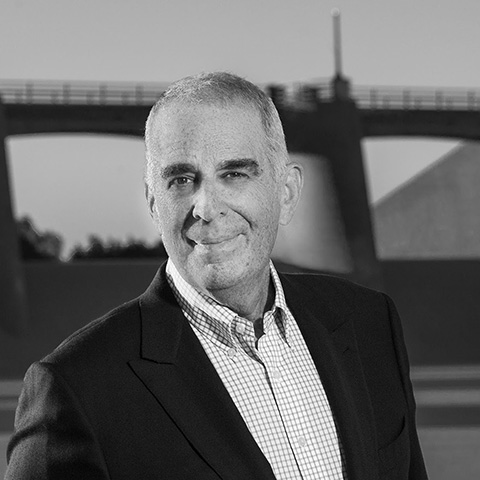
Dr. Bart B. Sokolow, P.E.
President
Over his 30-plus-year career, Dr. Bart Sokolow has concentrated on the analysis of industrial and commercial environmental issues. He focuses principally on resolving the synergistic, interdisciplinary environmental matters posed by the discovery and remediation of toxic and hazardous chemicals (with expertise in soil, groundwater and airborne contaminants).
Through his varied and diverse background, Dr. Sokolow, a former UCLA Professor of Environmental Science & Engineering, has demonstrated the technical expertise to navigate the complex regulatory environment. As importantly, he has a unique ability to translate and make understandable sophisticated technical issues for clients.
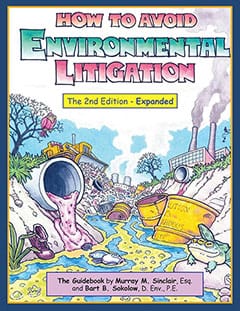
Dr. Sokolow is a co-author of "How to Avoid Environmental Litigation,"" a book written to help guide readers through the environmental regulatory maze to detect, avoid and resolve problems with owning real estate. It's available on Amazon.
"This concise and thoroughly documented book, based on decades of experience, contains a wealth of valuable information and practical strategies to avoid environmental litigation in an increasingly litigious world. Written with remarkable clarity, numerous illustrative examples, more than a touch of perspective, and even well-aimed humor..."
— Dr. Arthur M. Winer, Emeritus Professor, Environmental Health Sciences, UCLA
Contact
Give us a call at 818-907-6565 or email advisors@environmental-advisors.com.